
Tower servers
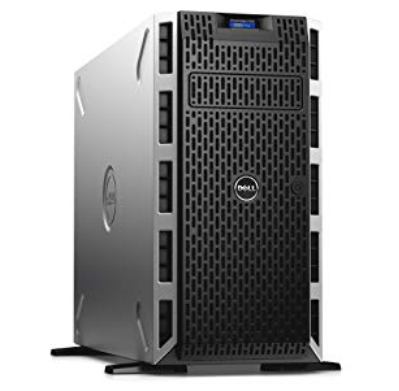
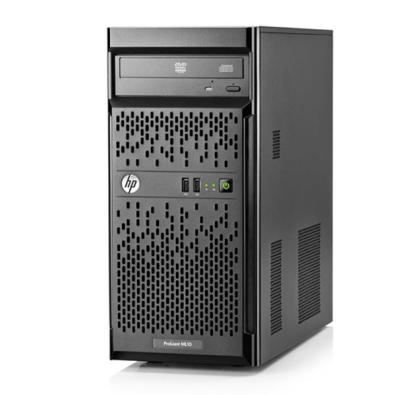
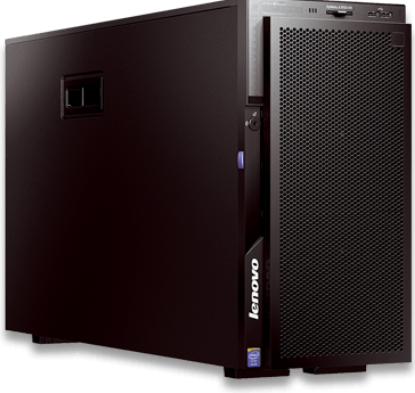
Towers look very similar to desktop PCs. If you are not concerned about space you can house more drives and more hardware into a single tower. However if you are looking at future expansion and scalability, space can become a constraint with a tower server.
 |
 |
 |
|
| DELL PowerEdge T430 | HP ProLiant ML10 Gen9 | Lenovo x3500 M5 |
Rack servers
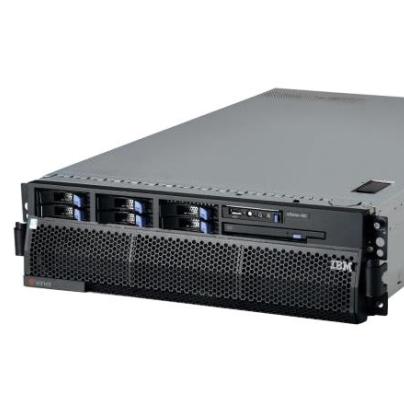
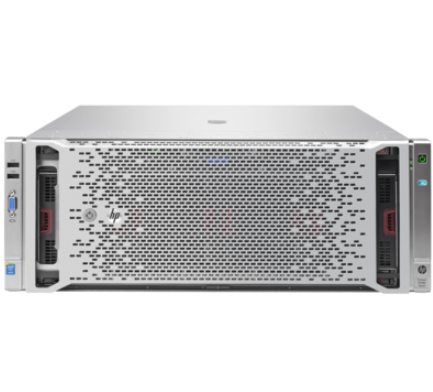
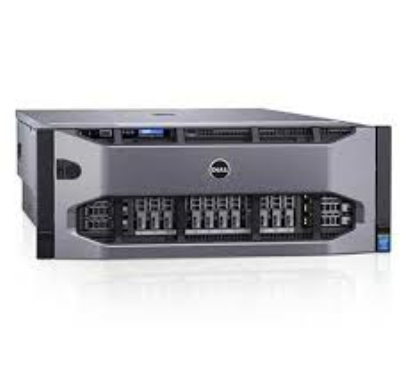
Racks are designed to accommodate multiple servers, and are specially constructed to fit into small spaces. They are usually stacked right on top of one other, which makes cooling the devices difficult but is a big plus point when it comes to scalability. Also the stacked model helps in consolidating network resources and minimizing the floor space requirements..
 |
 |
 |
|
| IBM System x3950 | HP ProLiant DL580 Gen 9 | Dell PowerEdge R930 |
Blade servers
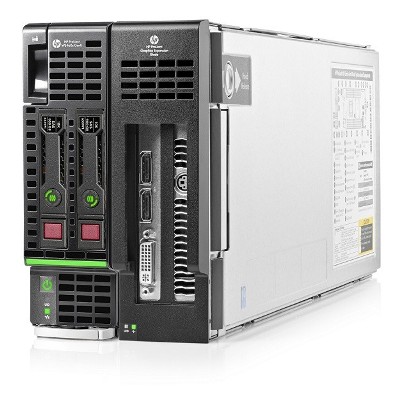
Although blade servers are similar to rack servers in design, they are thinner, and also cost more than the latter. A blade server is a server chassis which houses multiple thin, modular EC boards, known as server blades. Each blade is actually a server, often dedicated to a single application. The server blades are literally servers on a card that contain processors, memory, integrated network controllers, and other input/output (IO) ports.
 |
 |
 |
|
| Dell PowerEdge VRTX | HP ProLiant WS460c Gen8 | Lenovo BladeCenter S Chassis |